

Why market consensus is often wrong at turning points

Market consensus often reflects what has already been priced into markets. The greatest opportunities frequently emerge when expectations begin to shift, making independent analysis essential for identifying potential turning points.

How prolonged geopolitical conflict influences central bank strategy and market sentiment
Prolonged geopolitical conflict influences central bank policy through inflation pressure, currency stability and investor confidence. These policy adjustments shape market sentiment across currencies, bonds and equities as economies adapt to sustained uncertainty.

How geopolitical instability changes investor behaviour across global markets
Geopolitical instability reshapes investor behaviour by shifting focus toward liquidity, capital preservation and diversification. These behavioural changes influence currencies, commodities and equities as markets adjust to rising uncertainty and changing global risk perception.

Currency stability in times of regional tension: what investors watch closely
Currency stability during regional tension depends on liquidity, economic resilience and investor confidence. Tracking these factors helps investors understand which currencies can withstand uncertainty and which are more vulnerable to capital outflows.

How global alliances and sanctions shift capital flows across markets
Global alliances and sanctions reshape capital flow by altering access to markets, trade routes and financial systems. These shifts influence currencies, commodities and investment strategy as markets adjust to a more fragmented global landscape.

The role of strategic trade routes in shaping currency and commodity movements
Strategic trade routes shape global markets by influencing commodity supply and currency behaviour. Disruptions to key corridors can drive price volatility, shift capital flows and alter how investors assess risk across regions.
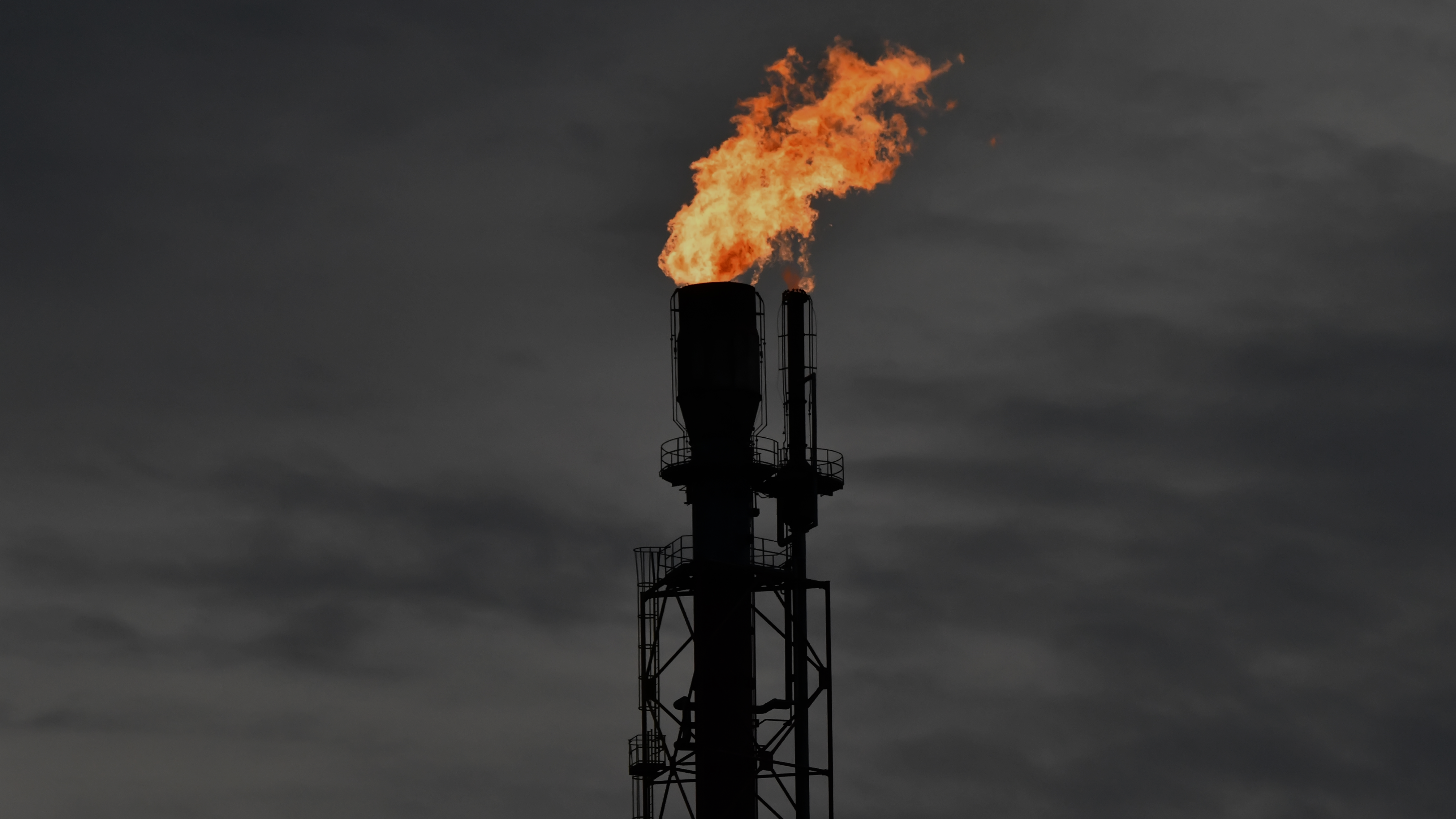
How regional conflict in the Middle East influences global energy and currency markets
Conflict in the Middle East quickly affects global markets through energy prices, inflation and currency movements. Understanding these links helps investors anticipate how regional disruption translates into broader shifts across oil and forex.

Safe-haven flows explained: how capital moves during periods of conflict
Safe-haven flows occur when investors shift capital toward stability during geopolitical stress. Understanding how currencies, gold and other assets attract these flows helps reveal how global markets adjust when uncertainty rises.
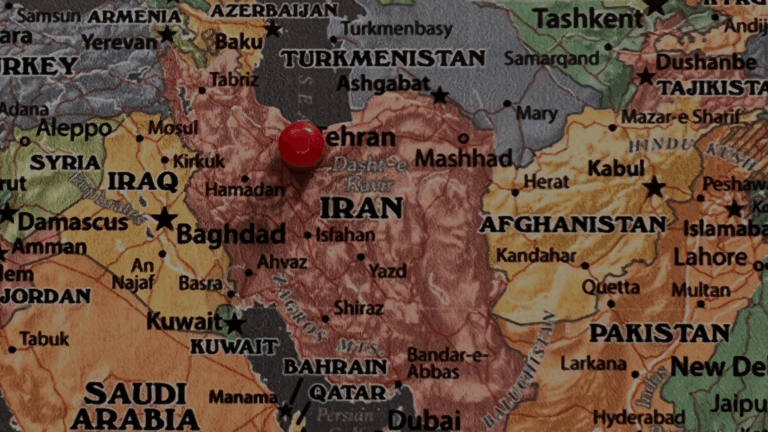
How war and geopolitical conflict reshape global currency markets
Geopolitical conflict quickly reshapes currency markets. Capital moves toward safe haven currencies while risk-sensitive regions experience volatility, making geopolitical analysis an essential part of understanding global forex dynamics.

The role of the US dollar in global markets
The US dollar’s dominance shapes global trade, investment, and monetary policy. At GUILD Capital, we track dollar cycles closely — integrating currency shifts into strategies that support resilient, globally diversified portfolios.
Recent Comments