

When to simplify your finances: reducing complexity without compromising outcomes

Financial complexity should exist only where it adds value. Simplifying accounts, investments and structures can improve clarity, reduce unnecessary costs and make long-term financial decisions easier without compromising investment outcomes.

The value of optionality: keeping financial choices open throughout life
Financial optionality creates flexibility when life changes unexpectedly. Building liquidity, avoiding unnecessary constraints and preserving access to capital helps maintain choice, allowing your financial strategy to adapt without compromising long-term objectives.

The hidden impact of fees across complex portfolios
Conflict-driven volatility can push investors to act quickly. Yet rapid reactions often lead to costly mistakes. Maintaining discipline and focusing on long-term structure helps portfolios weather uncertainty and benefit when markets stabilise.

The risk of overcorrecting portfolios during periods of international tension
International tension can encourage investors to make large portfolio changes driven by uncertainty. Reviewing risk exposure is sensible, but overcorrecting may reduce diversification, increase costs and weaken long-term investment outcomes.
Staying invested through uncertainty: lessons from past geopolitical events
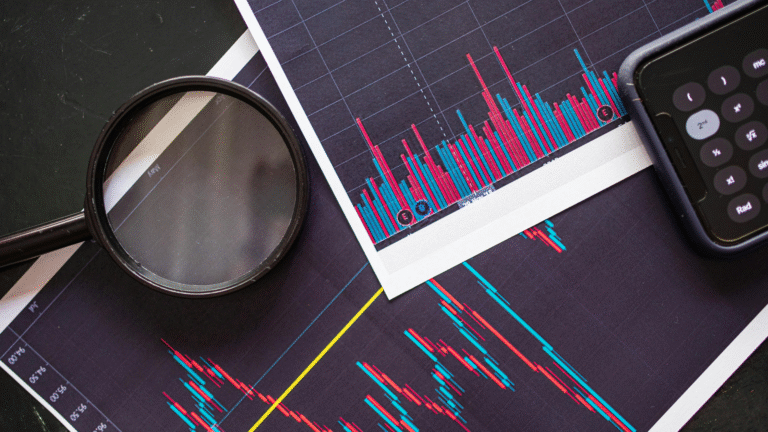
Geopolitical events create uncertainty and market volatility, but history shows markets often recover before conditions fully stabilise. Investors who remain disciplined and focused on long-term structure are usually better positioned for recovery.

Geopolitical shocks and portfolio resilience: focusing on structure over sentiment
Short-term thinking during geopolitical instability often leads to reactive investment decisions that weaken long-term outcomes. Maintaining discipline, perspective and strategic alignment helps investors avoid unnecessary changes during periods of uncertainty and volatility.

The danger of short-term thinking during geopolitical instability
Short-term thinking during geopolitical instability often leads to reactive investment decisions that weaken long-term outcomes. Maintaining discipline, perspective and strategic alignment helps investors avoid unnecessary changes during periods of uncertainty and volatility.

Liquidity decisions during geopolitical stress: when holding cash helps — and when it hurts
Holding cash during geopolitical stress can provide stability and flexibility. But excessive liquidity reduces long-term returns. A balanced approach ensures cash supports decision making without limiting growth or delaying reinvestment.

Geographic diversification in times of conflict: why global exposure still matters
Geographic diversification remains critical during conflict. Spreading exposure across regions helps manage interconnected risks, capture different economic responses and maintain portfolio balance, even when individual markets face uncertainty or disruption.

Revisiting your plan, not rewriting it: responding to geopolitical disruption with discipline
Geopolitical disruption often prompts investors to rethink their portfolios. In most cases, refinement is more effective than overhaul. Reviewing alignment and making measured adjustments helps preserve structure and long-term strategy.
Recent Comments