

Why commodity markets often react before equities during geopolitical tension

Commodity markets often react before equities during geopolitical tension because supply disruption and inflation expectations are priced immediately. These early moves can provide insight into how broader markets may adjust as uncertainty develops.

Beyond Operation Epic Fury: the shift to structural economic friction
Structural economic friction is reshaping global markets by extending geopolitical conflict into trade, capital flows and policy alignment. As tensions move beyond military events, they influence supply chains, investment decisions and how investors evaluate long-term risk across regions.
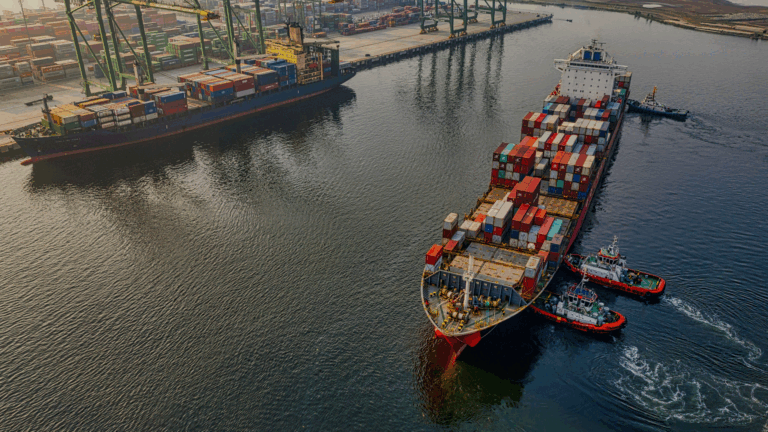
The role of strategic trade routes in shaping currency and commodity movements
Strategic trade routes shape global markets by influencing commodity supply and currency behaviour. Disruptions to key corridors can drive price volatility, shift capital flows and alter how investors assess risk across regions.
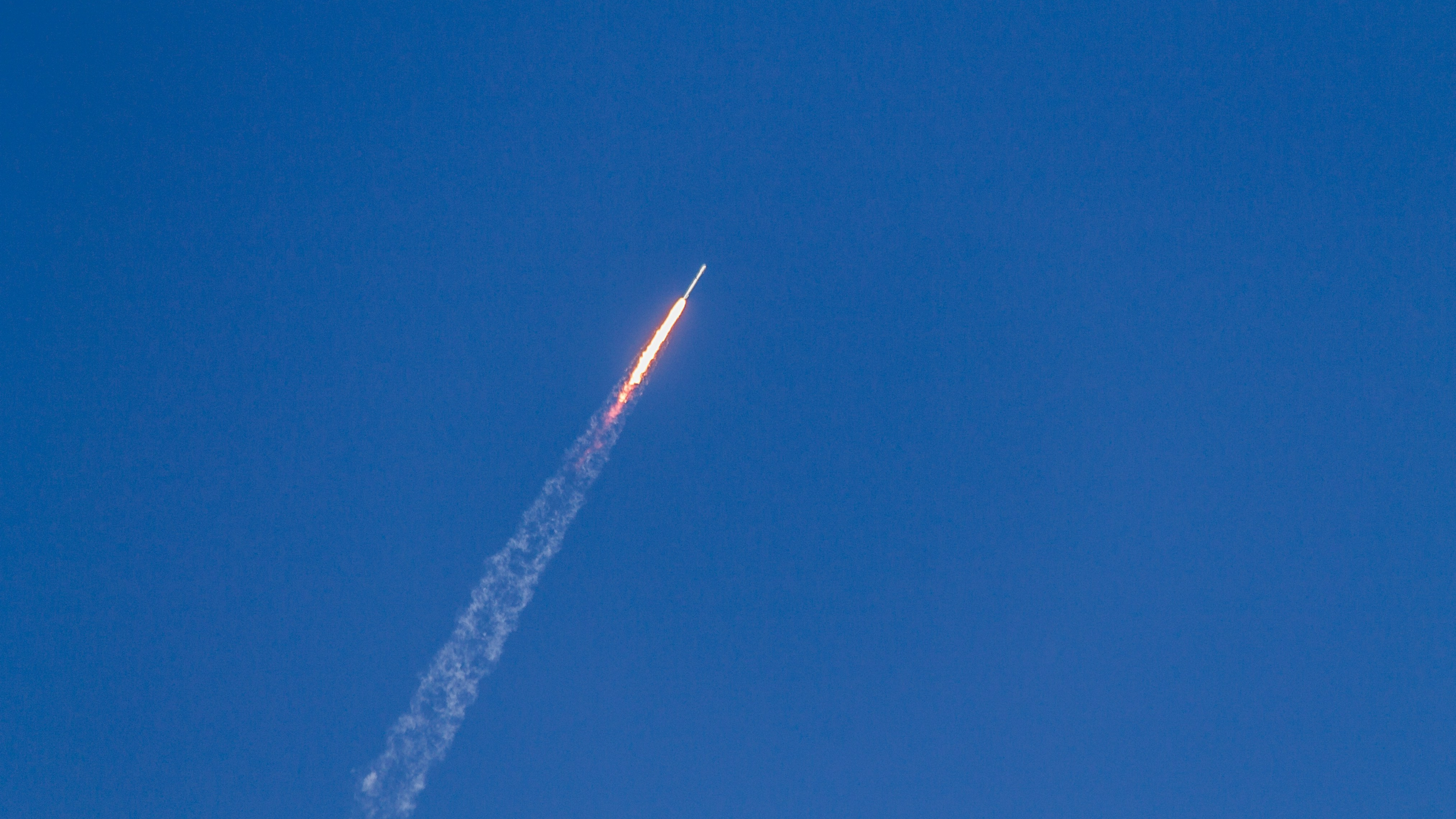
When missiles fly: buy the tip or catch a falling knife?
Geopolitical escalation in energy-critical regions can drive oil price shocks, reshape inflation expectations and force shifts in monetary policy. These dynamics influence global markets, challenging how investors assess risk, liquidity and timing during periods of uncertainty.
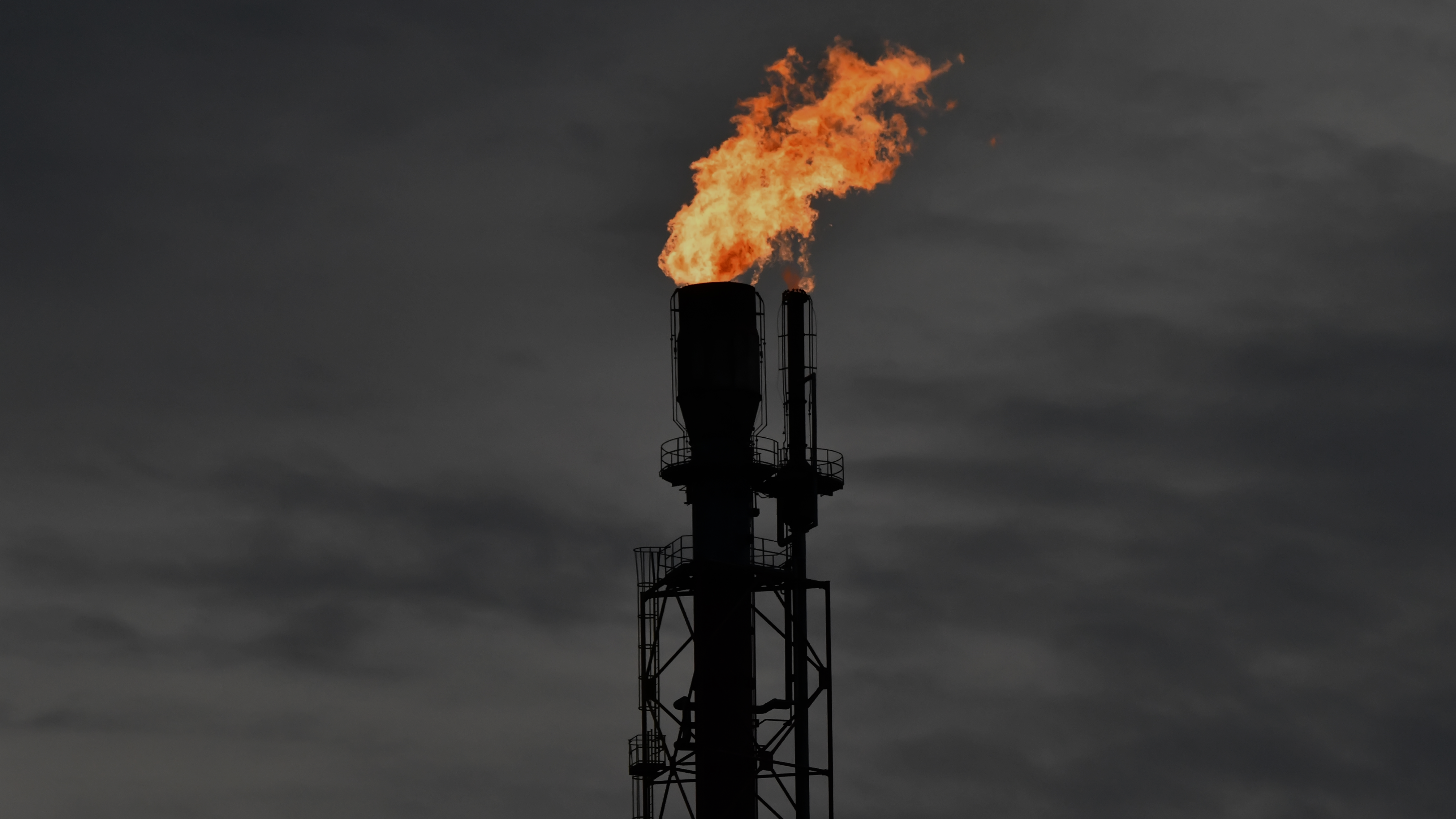
How regional conflict in the Middle East influences global energy and currency markets
Conflict in the Middle East quickly affects global markets through energy prices, inflation and currency movements. Understanding these links helps investors anticipate how regional disruption translates into broader shifts across oil and forex.
Recent Comments