

The risk of overcorrecting portfolios during periods of international tension

International tension can encourage investors to make large portfolio changes driven by uncertainty. Reviewing risk exposure is sensible, but overcorrecting may reduce diversification, increase costs and weaken long-term investment outcomes.
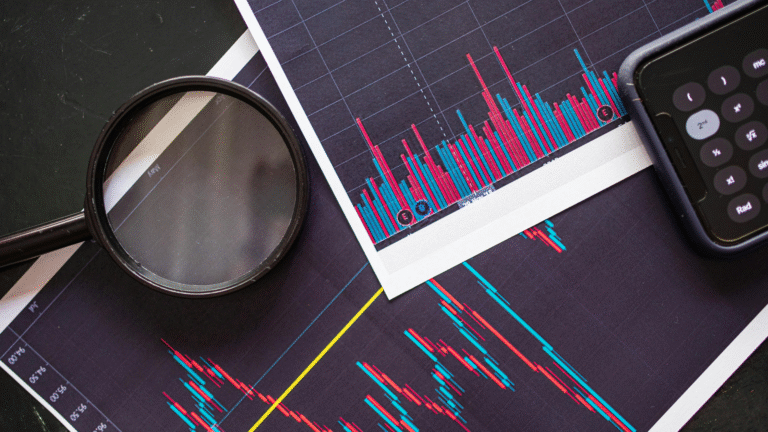
Staying invested through uncertainty: lessons from past geopolitical events
Geopolitical events create uncertainty and market volatility, but history shows markets often recover before conditions fully stabilise. Investors who remain disciplined and focused on long-term structure are usually better positioned for recovery.

How media cycles can distort investment decision-making during global crises
Intense media coverage during global crises can increase emotional investing and distort decision-making. Maintaining perspective, reviewing portfolios systematically and focusing on long-term structure helps investors avoid reactive changes driven by headlines.

The danger of short-term thinking during geopolitical instability
Short-term thinking during geopolitical instability often leads to reactive investment decisions that weaken long-term outcomes. Maintaining discipline, perspective and strategic alignment helps investors avoid unnecessary changes during periods of uncertainty and volatility.

Revisiting your plan, not rewriting it: responding to geopolitical disruption with discipline
Geopolitical disruption often prompts investors to rethink their portfolios. In most cases, refinement is more effective than overhaul. Reviewing alignment and making measured adjustments helps preserve structure and long-term strategy.
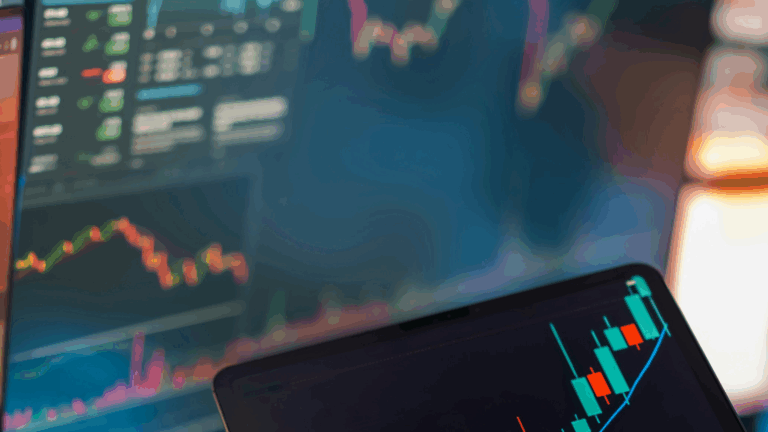
Separating headlines from investment reality during geopolitical tension
Geopolitical tensions generate intense headlines that can distort investor perception. Separating short-term news from underlying economic drivers helps maintain disciplined decision making and prevents sudden portfolio changes driven by temporary uncertainty.

Market volatility during conflict: why patience often outperforms reaction
Conflict-driven volatility can push investors to act quickly. Yet rapid reactions often lead to costly mistakes. Maintaining discipline and focusing on long-term structure helps portfolios weather uncertainty and benefit when markets stabilise.
Recent Comments